An Idea for Insulation of Older Houses
This is an idea in which the bill for insulation an older house will appear rapidly to a seller but can be easily sorted out.
Explanation
It is an innovative way from realising that a lot of people generally don’t insulate their houses because it is just too much trouble and they put up with the bills.
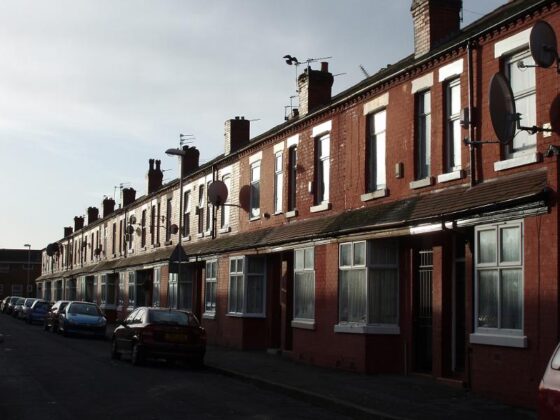
The UK has a large numbers of houses that are sold every 6 years. These are now tending to be the cheaper ones, and the endless terraces are a good example and as such the ones with the lowest EPC ratings.
Method
- A seller of a poorly insulated house would have a levy put on it at sale to cover the cost of insulation that will be carried out by the buyer.
- The buyer must insulate within 2 years and will receive the levy money.
- In fact the levy is more than the cost of insulation to cover commercial costs and a small profit for the seller or buyer that insulates.
This will lead to it being worthwhile to insulate the house before sale (so no levy), or for the buyer to insulate within 2 years as they will make a slight profit on that.
The insulation by the seller can be paid for by borrowing from the Green Deal system, which passes on that payment cost to the buyer. In that case the buyer will probably have put a slightly lower bid for the building but not desperately so.
This will definitely annoy sellers initially as they thought that they had a great house and should be paid just what it looked as if it was worth on the on-line advert. However estate agents will take all this into account when advising the value of the house and an insulated house will always sell quicker.
There does not seem to be a great loss to the seller if they insulated in advance, there can be a profit to the buyer where they did the insulation, and there is a minor loss to the seller if the Green Deal is involved.
There will be no extra money for buying a first house (as many of these are), that has been insulated and so house prices not going up much as a result of this. So the cost is seen over many years, and by that time will have paid for itself through savings over energy use and through the Green Deal or mortgage cost, (which is much simpler).
Following short business assessment and advice from Lancaster University
Transition City Lancaster and Dr Steve Dealler are involved in this and it has been put to the University of Lancaster for assessment before surveys of buyers and sellers may go ahead (to find out their opinion on the process).
